

27.02.2024
Drums: The Rhythm That Brings Art to Life
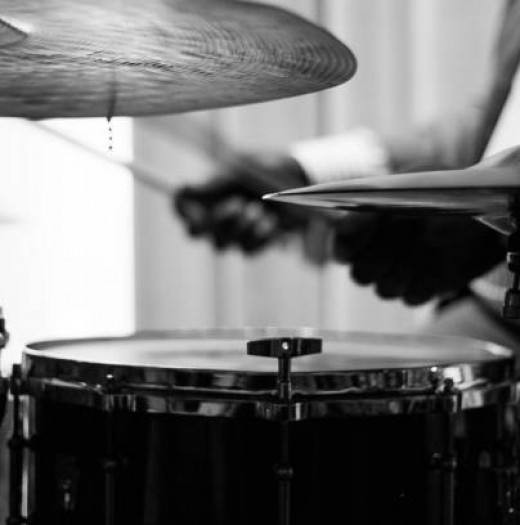
Greetings, friends! DRUMSTARZ RIGA, your drumming school, today wants to discuss a topic that goes beyond the traditional concept of drums. We’re talking about how drums are used in theater, dance, film, and performances.
In Theater, Drums Can Play Many Roles:
Creating Atmosphere: From ominous thunder rolls to the playful rhythm of a dance, drums can set the mood and immerse the audience in the atmosphere of the performance.
Highlighting Action: A drum roll can emphasize important moments, building tension or creating a comedic effect.
Replacing Dialogue: In some performances, drums serve as a means of communication between characters, creating a unique rhythm-based language.
In Dance, Drums Are Closely Linked with Movement:
Setting the Tempo: The rhythmic beat of the drums sets the pace of the dance, helping dancers synchronize their movements.
Emphasizing Choreography: Drums can accentuate certain movements or dance phrases, creating a dynamic and captivating effect.
Creating a Dialogue Between Dancer and Music: The drummer can improvise, adapting to the dancer’s movements, creating a spontaneous and lively performance.
In Film, Drums Are Used for:
Creating the Soundtrack: Drums are the foundation of many film soundtracks. They can evoke feelings of danger, suspense, joy, sadness, and more.
Enhancing Visual Effects: A drum roll can sync with chases, explosions, and fights, making scenes more dynamic and exciting.
Telling the Story: Drums can play the role of the storyteller, helping the audience feel the mood and understand the events of the film.
In Performances, Drums Are Often Used as:
An Instrument of Self-Expression: Drummers can use drums to express their ideas, emotions, and feelings.
Part of an Installation: Drums can be integrated into art installations, creating a multisensory experience for the audience.
A Way to Unite People: Playing drums together can be a powerful tool for bringing people together and creating a sense of community.