

14.06.2023
Drums in Music Education: Benefits for Children's Development
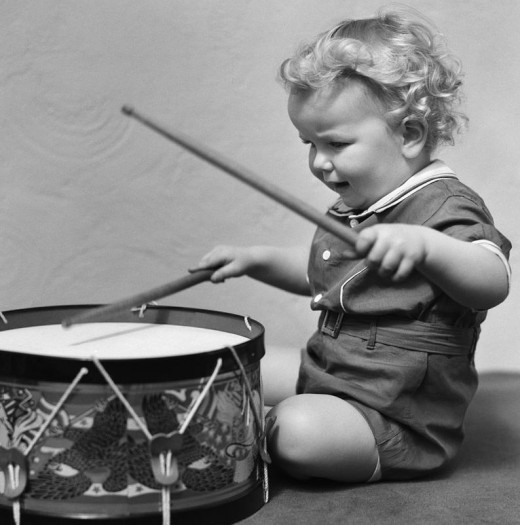
Music education plays an important role in children's development, and playing drums is one of the most exciting and effective ways to unlock the musical potential of young talents. At Drumstarz, a drum school in Riga, we believe in the power of drums in music education and want to share with you the reasons why they are so beneficial for children's development.
Development of Motor Skills and Coordination:
Playing the drums requires precise movements and the synchronization of hands, feet, and pedals. This helps develop children's motor skills and coordination. They learn to control their movements, improve flexibility, and enhance their reaction times. These skills are important not only for playing an instrument but also in everyday life.
Improved Concentration and Attention:
Drumming demands focus and attention to detail. Children need to keep track of rhythm, dynamics, and the coordination of their movements. This helps them develop concentration, the ability to listen, and the capacity to respond to music. Improved concentration positively affects their academic performance and overall productivity in other areas.
Stimulation of Creative Thinking:
Drumming fosters creative thinking in children. They can experiment with various rhythms, drumming techniques, and sound effects. This allows them to express emotions and feelings through music, develop musical imagination, and enhance improvisation skills.
Social Interaction:
Drumming often involves participation in group lessons and ensembles. This helps children develop teamwork skills, learn to listen and respond to other musicians, and interact in a musical environment. Such experiences contribute to the development of social skills and the ability to work within a team.
Conclusion: